
A comprehensive guide and introduction to sea freight transportation by ship, a complete explanation of the advantages and disadvantages of containerized cargo transportation and the types of sea freight transportation methods by container.
Container shipping is one of the most widely used methods of transporting goods in international trade. It involves moving cargo in standardized containers by sea, allowing businesses to ship a wide range of products between ports and connect ocean freight with road or rail transportation.
At Searino, we help businesses explore international shipping options and understand the key factors involved in transporting cargo by sea. Containerized sea freight can be a practical solution for companies shipping commercial goods, industrial equipment, packaged products, and other cargo suitable for container transport. The right shipping option depends on the shipment’s volume, weight, cargo requirements, route, delivery schedule, and budget.
In this guide, we explain how container shipping works, compare Full Container Load (FCL) and Less than Container Load (LCL) shipping, introduce common container types and sizes, and outline the main factors that affect container shipping costs. We also cover the shipping process and common port charges to help you prepare your shipment and request a more accurate freight quote.
What Is Container Shipping and How Does It Work?
Container shipping is a method of transporting goods in standardized, reusable containers that can be moved between ships, trucks, and trains. The standardized design makes cargo handling more efficient and helps reduce the need to handle individual packages every time a shipment changes modes of transport.
Most general cargo is carried in dry containers, while specialized equipment is available for goods that need temperature control, top loading, side access, or a tank designed for liquids. Oversized or unusually heavy cargo may require flat racks, platforms, or other project-cargo solutions rather than a standard container.
Because containers are designed for repeated handling and transport, they can help protect cargo from weather exposure and reduce unnecessary handling. However, cargo safety still depends on suitable packaging, correct loading and securing, the right container type, and the conditions of the shipment.
Container shipping is commonly arranged as either Full Container Load (FCL) or Less than Container Load (LCL). The right option depends on how much space the shipment needs and the cost, schedule, and handling requirements of the cargo.
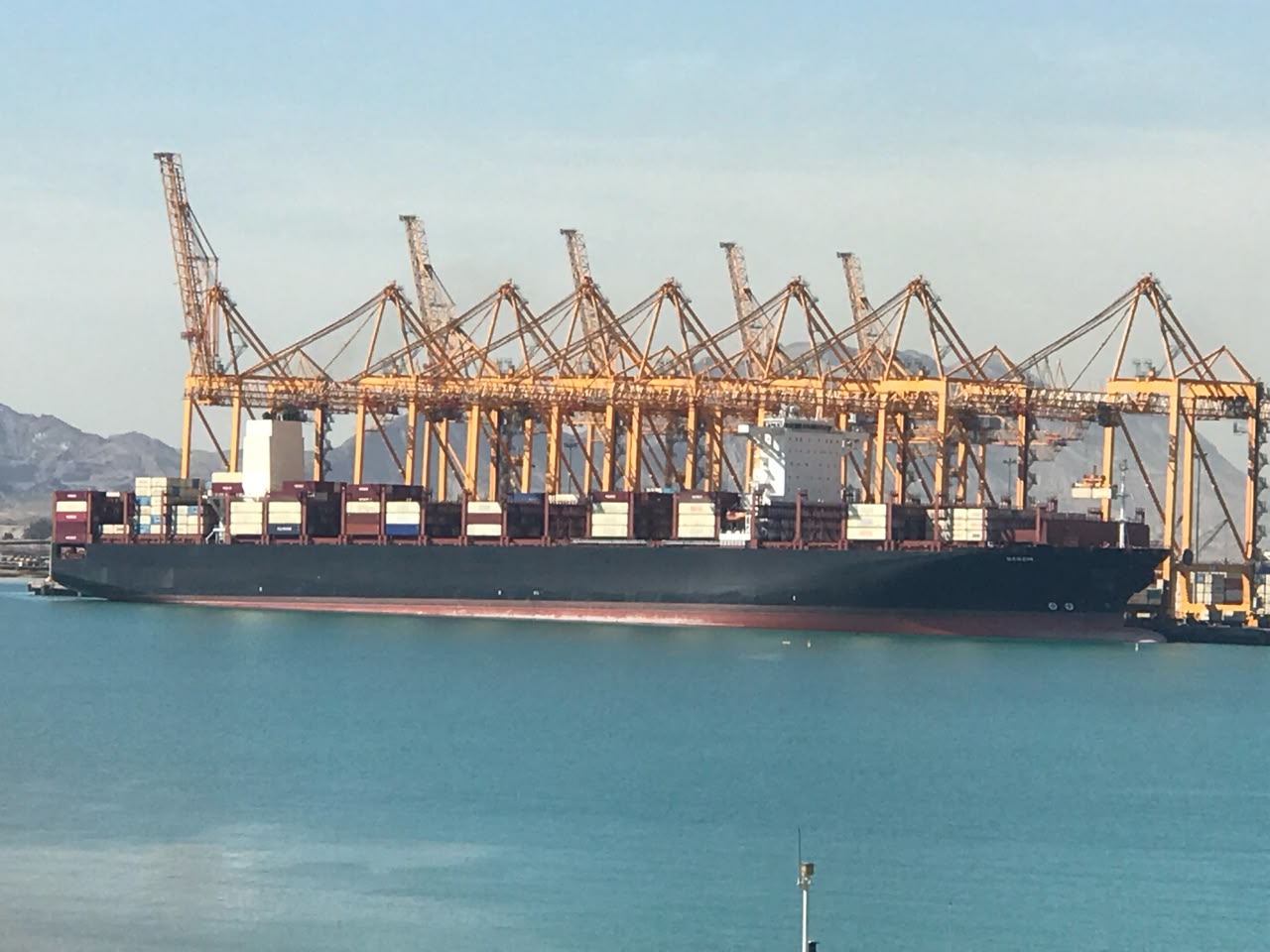
Types of Container Shipping: FCL vs. LCL
The two main options for containerized ocean freight are FCL and LCL. The difference is how container space is booked and shared, which can affect the price, handling process, and transit time.
What Is Full Container Load (FCL) Shipping?
Full Container Load (FCL) shipping means a shipper books a container for their cargo. The container does not have to be physically full: the important point is that the container space is allocated to that shipment rather than shared with unrelated shipments.
FCL is often worth considering for larger shipments, cargo that needs dedicated container space, or goods for which fewer handling steps are desirable. The freight charge is generally quoted per container, so the shipper may pay for the container even when some of its capacity remains unused.
What Is Less than Container Load (LCL) Shipping?
Less than Container Load (LCL) shipping is used when a shipment does not require a full container. The cargo is consolidated with shipments from other customers, allowing each shipper to pay for the space or chargeable quantity used instead of booking the entire container.
LCL can be a practical choice for smaller shipments. However, the cargo usually needs to be consolidated before the ocean journey and separated from other shipments after arrival. These additional handling and coordination steps can affect the total transit time and cost.
FCL vs. LCL: Cost, Transit Time, and Cargo Safety
Comparison of containers by dimensions and maximum payload weight | ||
Comparison | FCL shipping | LCL shipping |
|---|---|---|
Container space | Dedicated to one shipment | Shared by multiple shipments |
Pricing | Usually quoted per container | Usually based on shipment volume or chargeable weight, subject to the provider's rules |
Best suited for | Larger shipments or cargo needing dedicated space | Smaller shipments that do not justify a full container |
Handling | Often fewer consolidation and deconsolidation steps | Cargo is consolidated at origin and separated at destination |
Transit time | May be more predictable when fewer handling steps are needed | Consolidation schedules and destination handling may add time |
Cargo handling risk | Fewer handling steps can reduce some handling risks | Additional handling can increase the possibility of damage or misplacement if cargo is not managed properly |
LCL is often more economical for small shipments because the shipper does not pay for a whole container. As cargo volume increases, however, the total LCL charge can approach or exceed the cost of booking an FCL container. There is no single break-even volume that applies to every route, so it is best to compare quotes for both options when possible.
If you need help comparing options, contact Searino with the shipment details so the appropriate container option and route can be assessed.
Common Types of Shipping Containers and Their Uses
Shipping containers come in different designs to accommodate different cargo and handling requirements. Availability varies by carrier, route, and port, so confirm that the required equipment is available before booking.
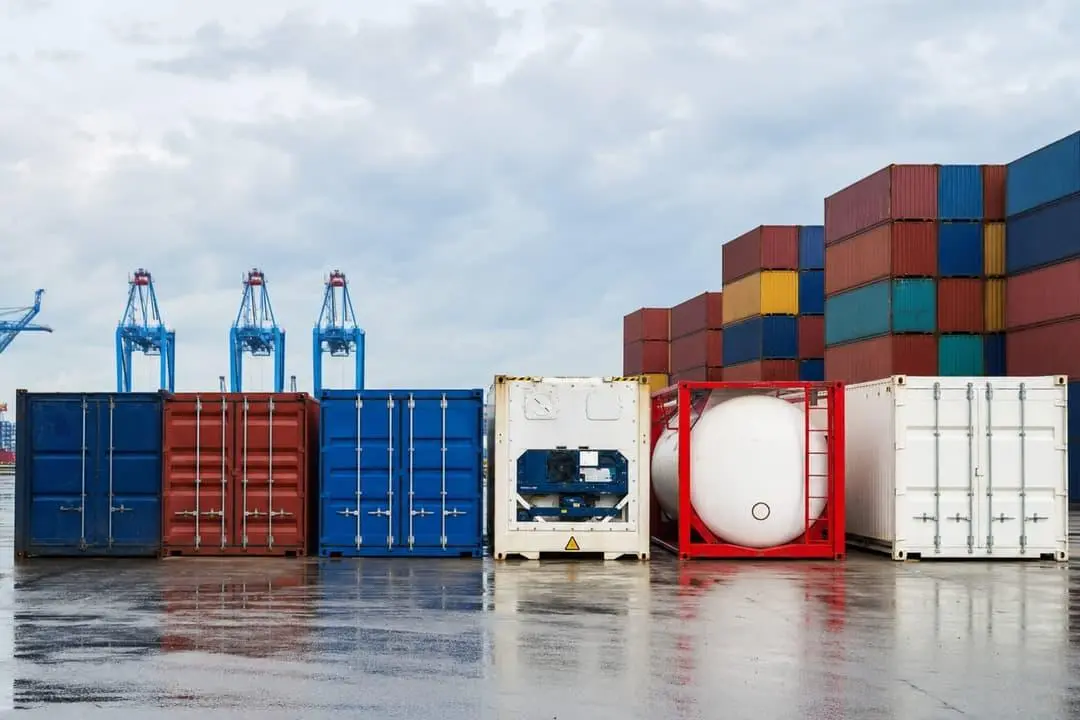
Standard Dry Container
A standard dry container is the most common type used for general cargo. It has fixed walls, a roof, a floor, and end doors. Typical cargo includes clothing, household goods, machinery parts, packaged products, raw materials, and many other commercial goods that do not require active temperature control.
Standard dry containers are commonly available in 20-foot and 40-foot sizes. The appropriate size depends on cargo volume, weight, dimensions, packaging, and route restrictions.
High Cube Container
A high cube container is similar to a standard container but has greater external height, providing additional internal volume. A 40-foot high cube container is a common option for bulky goods, large cartons, and shipments that need extra vertical space.
High cube containers are not necessarily suitable for every shipment. Cargo weight, door dimensions, internal measurements, and restrictions along the transport route must also be checked.
Refrigerated Container (Reefer)
A refrigerated container, commonly called a reefer, uses a temperature-control system to carry goods that must remain within a specified temperature range. Depending on the cargo and applicable requirements, reefers may be used for fresh produce, meat, seafood, and certain pharmaceutical or other temperature-sensitive products.
The required temperature should be set according to the cargo's needs. Power supply, airflow, monitoring, and cold-chain procedures must also be considered throughout the journey. Reefer freight rates can differ from rates for standard dry containers because the equipment and handling requirements are different.
Ventilated Container
A ventilated container is designed to allow air circulation through dedicated vents. It may be suitable for certain commodities that need ventilation during transport, depending on the goods and the shipping conditions.
A ventilated container is not the same as a reefer. Ventilation alone does not provide active temperature control, so the equipment must be selected according to the cargo's actual requirements.
Open Top and Hardtop Containers
Open top and hardtop containers can be useful when cargo is easier to load from above or cannot easily be placed through standard end doors.
An open top container has no fixed standard roof and may use a removable cover. It can be suitable for certain machinery, industrial equipment, and tall cargo that can be safely lifted into the container from above.
A hardtop container has a rigid roof that can be removed or opened, depending on its design. It can provide top-loading access while offering a solid roof when fitted. The choice between an open top and a hardtop depends on cargo dimensions, lifting arrangements, protection requirements, and carrier availability.
6. Flat Rack and Platform Containers
Flat rack containers and platforms are specialized solutions for heavy, wide, tall, or otherwise out-of-gauge cargo that cannot be loaded appropriately into a standard container.
A flat rack typically has a reinforced floor and end walls, which may be fixed or collapsible depending on the model. It is used for cargo such as industrial machinery, pipes, construction equipment, and project cargo.
A platform container is essentially a reinforced load-bearing platform and may not have end or side walls. These units can be used for certain heavy or oversized cargo, subject to suitable securing arrangements and approval by the carrier.
Before booking, the shipper must confirm the cargo's dimensions and weight, lifting points, lashing requirements, and any special handling or route restrictions.
Tank Container
A tank container consists of a specialized tank mounted within a standard frame. It is used to transport certain liquids and other materials compatible with the tank's design and applicable safety requirements.
Possible cargo includes some industrial liquids, chemicals, and food-grade liquids. Tank material, compatibility with the product, cleaning requirements, and applicable safety standards must be checked before shipment. Hazardous materials require equipment and documentation suitable for the specific substance and route.
Bulk Container
A bulk container is designed for certain dry bulk materials that are loaded and discharged in bulk rather than packed as individual pieces. Depending on its design, it may use dedicated loading or discharge openings.
Some grains, dry seeds, animal feed, and other granular materials may be suitable, but the cargo and container specifications must be compatible. Not all bulk cargo is transported in containers; some commodities require other bulk-shipping methods.
Open Side Container
An open side container has a side wall or side doors that open to provide wider access to the cargo. This can make loading or unloading easier for long goods, large packages, or cargo that is difficult to access through end doors.
The opening arrangement and usable capacity depend on the container model. Confirm the dimensions, loading method, and equipment availability before booking.
Insulated Container
An insulated container has walls designed to reduce heat transfer and help limit the effect of outside temperature changes. It may be suitable for cargo that needs some protection from temperature variation.
An insulated container does not necessarily have an active refrigeration or heating unit. If cargo requires a specific, continuously controlled temperature, confirm whether an insulated container is sufficient or whether a reefer is required.
For additional information about container equipment and sizes, consult Maersk's guide to container types and sizes.
Shipping Container Sizes and Capacities
Shipping containers are manufactured in different sizes to accommodate cargo with different volumes and weights. The 20-foot and 40-foot containers are among the most common options in ocean freight, while 40-foot high cube and 45-foot high cube containers can provide additional space for suitable shipments.
The right size depends on cargo volume, weight, package dimensions, loading method, and restrictions on the route. Volume alone is not enough: a shipment may reach the container's weight limit before using all available space.
20-Foot Shipping Container
A standard 20-foot container has an external length of approximately 6.06 metres and a typical capacity of about 33.2 cubic metres. It is often considered for compact shipments and dense cargo, including industrial parts, raw materials, machinery components, and packaged commercial goods.
40-Foot Shipping Container
A standard 40-foot container has an external length of approximately 12.19 metres and a typical volume capacity of around 67.7 cubic metres. It is commonly used for larger shipments and goods that occupy more space, such as packaged products, clothing, household goods, and many import or export consignments.
Although a 40-foot container is approximately twice as long as a 20-foot container, its volume is not exactly twice as large. Actual usable space depends on the container's design and internal dimensions.
40-Foot High Cube Container
A 40-foot high cube container has approximately the same external length and width as a standard 40-foot container but is taller. Its typical volume capacity is around 76.4 cubic metres, making it a useful option for bulky goods or cargo that needs additional vertical space.
45-Foot High Cube Container
A 45-foot high cube container is longer than a 20-foot or 40-foot container and offers a typical volume capacity of approximately 86 cubic metres. It may be suitable for high-volume cargo where the carrier, ports, and inland transport arrangements support this size. Availability is not universal across all routes.
Typical Container Dimensions, Volume, and Payload
The figures below are approximate examples for common container types. Specifications vary by manufacturer and equipment model, and local road, rail, port, and carrier restrictions may impose lower limits.
Container type | Approximate external length | Approximate external height | Typical volume capacity | Example maximum payload |
|---|---|---|---|---|
20-foot standard | 6.06 m | 2.59 m | 33.2 m³ | 28.3 tonnes |
40-foot standard | 12.19 m | 2.59 m | 67.7 m³ | 28.87 tonnes |
40-foot high cube | 12.19 m | 2.90 m | 76.4 m³ | 28.69 tonnes |
45-foot high cube | 13.72 m | 2.90 m | 86.0 m³ | 27.65 tonnes |
Source for indicative specifications: Maersk's container weight-limit guide. The actual allowable payload must be confirmed from the specific container's markings and the rules that apply to the shipment.
The 20-foot and 40-foot container options may have similar maximum payloads, even though the 40-foot container offers considerably more volume. For dense cargo, weight may be the deciding factor; for bulky cargo, available volume may matter more.
How Does the Container Shipping Process Work?
The container shipping process generally starts with collecting cargo details and requesting a freight quote. It continues with booking, cargo preparation, export formalities, vessel loading, ocean transit, import clearance, and final delivery. The exact steps depend on the route, cargo type, shipping arrangement, and terms of the contract.
1. Requesting a Freight Quote
The first step is to provide accurate shipment details. These usually include the cargo description, weight, volume, dimensions, origin, destination, ready date, and whether the goods are hazardous or require special handling. The shipper should also identify whether FCL or LCL service is needed and whether a standard, reefer, open top, or other specialized container is required.
The carrier or logistics provider uses these details to assess the available service and prepare a quote. Ask whether the quoted amount covers only ocean freight or also includes origin and destination handling, documentation, customs-related services, and other charges.
2. Booking a Container and Coordinating with the Shipping Line
After reviewing the available quote and service terms, the shipper can arrange the booking. The parties confirm the origin and destination ports, container type and size, estimated sailing schedule, cargo details, and any special requirements.
The shipping line or its agent checks equipment and vessel availability and provides booking confirmation when the shipment can be accepted. Container size should match the cargo's volume and weight, while the sailing schedule and cargo cut-off dates should be checked to reduce the risk of missing the planned vessel.
3. Cargo Packing, Loading, and Container Sealing
Cargo must be packed and secured according to its characteristics and the requirements of the journey. Appropriate packaging, even weight distribution, and suitable lashing can help prevent shifting or damage during road transport, port handling, and the sea voyage.
For many FCL shipments, the container is sealed after loading with a numbered seal. The seal number may be recorded in the shipping documents so it can be checked during later stages. Depending on the shipment and applicable rules, the carrier may also require verified gross mass (VGM) information before loading.
4. Export Customs Clearance and Vessel Loading
Before departure, the shipment must complete the applicable export formalities. Documents may include a commercial invoice, packing list, customs declaration, shipping instructions, and other records or permits required for the product and route.
After the container is accepted by the terminal and the necessary checks are completed, it may be loaded onto the vessel according to the port's operational plan. Transit time depends on the route, sailing schedule, port calls, weather, congestion, and other operational factors, so estimated arrival dates should not be treated as guaranteed delivery dates.
5. Arrival, Import Customs Clearance, and Cargo Delivery
When the vessel arrives, the container is discharged at the destination port and handled according to terminal and customs procedures. The consignee or its representative prepares the required documents and completes import clearance under the destination country's rules.
Once the required formalities and applicable charges have been completed, the cargo can be released for collection or onward transport. If inland delivery is included in the service, arrangements are made to move the container or cargo to the final destination.
Shippers should check free-time conditions and possible costs such as terminal storage, demurrage, and detention. Delays in submitting documents, clearing the cargo, unloading the container, or returning empty equipment can lead to additional charges, depending on the contract.
6. Tracking a Container During Transit
Container tracking helps shippers and consignees check the latest recorded status of a shipment. Depending on the carrier's system, tracking may be available through a container number, booking number, or Bill of Lading number.
Tracking events may include gate-in at origin, loading on board, vessel departure, arrival at the destination port, and discharge. The availability and frequency of updates vary by carrier and system. A tracking estimate is not always a confirmed delivery time because vessel schedules, port operations, customs clearance, and inland transport can affect the final delivery date.
What Determines Container Shipping Costs?
Container shipping costs depend on several factors, including the origin and destination, container type and size, cargo weight and volume, FCL or LCL service, vessel capacity, booking date, and the services included in the quote. Port conditions and route-specific operational charges can also affect the final amount.
Factors That Affect Ocean Freight Rates
Important cost factors include:
Origin and destination: Distance, route demand, available services, and port handling arrangements can influence the rate.
Container type and size: Standard, high cube, reefer, open top, flat rack, and tank containers may have different rates and availability.
Cargo weight and volume: LCL charges are commonly based on volume or chargeable quantity under the provider's tariff, while FCL is generally priced per container.
Booking date and capacity: Rates may vary with demand, seasonal peaks, vessel space, and carrier pricing changes.
Additional services: Customs-related services, cargo insurance, inland transport, special handling, and documentation may be quoted separately.
Additional Shipping and Port Charges
The ocean freight rate is not always the total cost of moving a shipment. Depending on the service and contract, additional charges may include terminal handling, documentation, customs clearance, inland transport, storage, insurance, and special cargo handling. Demurrage or detention may also apply if the relevant free time expires.
When requesting a container freight rate, ask for a clear breakdown of included services and exclusions. Comparing quotes on the same basis makes it easier to understand the actual cost and avoid unexpected charges.
Common Container Shipping Terms and Port Charges
Understanding common shipping terms can help businesses review freight quotes, estimate extra charges, and coordinate a shipment more effectively.
What Is Terminal Handling Charge (THC)?
Terminal Handling Charge (THC) refers to charges for container handling operations at a port terminal. Depending on the route and contract, THC may apply at origin, destination, or both. When comparing freight quotes, check whether THC is included or charged separately.
A container depot is a location used for receiving, storing, releasing, inspecting, or sometimes repairing containers. Depending on the service and location, charges may apply for storage, handling, or other depot services. The applicable charge depends on the actual service and tariff, not simply on the word "depot."
Demurrage vs. Detention
Demurrage and detention are potential charges associated with keeping equipment or terminal space beyond the free time allowed under the applicable terms. Exact definitions and charging rules vary by carrier, port, and contract.
Demurrage commonly refers to a charge that applies when a container remains at the terminal beyond the allowed free time. For example, a delay in customs clearance or collection may cause the terminal free time to expire.
Detention commonly refers to a charge for keeping carrier-owned equipment outside the terminal beyond the permitted period, such as when a container is not unpacked and returned within the agreed time. The applicable free time and daily charge should be checked in the carrier's terms.
Planning customs clearance, cargo unloading, and empty-container return can help reduce the risk of these charges.
Bill of Lading, CBM, TEU, and Container Seals
Bill of Lading (B/L): A transport document that records shipment details and the terms of carriage. Depending on its form and the transaction, it may also function as a document of title.
CBM: Short for cubic metre, a unit used to measure cargo volume. For a rectangular package, volume is calculated by multiplying length by width by height, with all measurements expressed in metres.
TEU: Short for Twenty-foot Equivalent Unit, a standard measure of container capacity equal to one 20-foot container. A 40-foot container is generally counted as 2 TEU for capacity reporting.
Container seal: A numbered security seal applied to the container doors after loading. The seal number may be recorded in the shipping documents and checked at later stages.
Knowing these terms helps shippers understand freight quotations, provide accurate cargo information, and manage the shipment process more confidently.
Advantages and Disadvantages of Container Shipping
Container shipping is widely used in international trade because standardized equipment can carry many types of cargo and connect sea transport with other modes. However, it also has limitations that should be considered before selecting a shipping method.
Advantages of Container Shipping
Cost efficiency for many commercial shipments
For many large or regular shipments, ocean freight can be more economical than air freight. FCL and LCL options also allow shippers to choose between booking a dedicated container and paying for a smaller share of container space.
Better protection during handling and transport
A strong container structure and the ability to seal the doors can help protect cargo from exposure and reduce unnecessary handling. The level of protection still depends on proper packaging, loading, securing, the container type, and the conditions of transport.
Flexibility for different cargo types
Standard dry, reefer, open top, flat rack, tank, and other specialized containers can support different cargo requirements, subject to equipment availability and carrier acceptance.
Connection with road and rail transport
Containers can often be transferred between vessels, trucks, and trains without unloading each item individually. This can simplify the movement of goods across different transport stages when the necessary equipment and services are available.
Disadvantages and Limitations of Container Shipping
Longer transit times than air freight
Sea freight usually takes longer than air freight. Vessel schedules, port calls, congestion, weather, and customs procedures can also affect delivery times. Time-sensitive cargo needs careful planning.
. Additional charges may apply
The final cost may include port handling, documentation, storage, customs-related services, inland transport, and other charges. Delays may also lead to demurrage or detention under the applicable contract.
Weight, size, and cargo restrictions
Every container has defined volume and payload limits. Dangerous goods, temperature-sensitive products, and oversized cargo may require special equipment, documentation, permits, or carrier approval.
Additional handling for LCL shipments
LCL cargo is consolidated with other shipments and separated at destination. This can add handling steps and time compared with a dedicated FCL container, and appropriate packaging is important to reduce the risk of damage.
Overall, container shipping can be an efficient and practical solution for many commercial shipments, but the best choice depends on cost, timing, cargo characteristics, and the route.
How to Choose the Right Container Shipping Option
Start by confirming the shipment's dimensions, weight, cargo type, packaging, origin, destination, and required delivery date. Then compare FCL and LCL where both options are available, and identify whether the goods need standard or specialized equipment.
When reviewing quotes, compare the services included, port and documentation charges, inland transport, free time, and any conditions that could trigger additional fees. Check vessel schedules and equipment availability before making a booking, and ensure the cargo is packed and documented according to the relevant requirements.
If you plan to import or export goods by sea, prepare complete shipment details before requesting a quote. Searino can help you review container shipping requirements and request a rate based on your cargo and route. The most suitable option should be chosen after considering the shipment's actual requirements rather than comparing the headline freight rate alone.
Frequently Asked Questions About Container Shipping
What is the difference between FCL and LCL shipping?
FCL means the container is allocated to one shipment, while LCL means cargo from multiple shippers shares container space. FCL is often worth considering for larger shipments; LCL can be useful when a shipment does not need a full container.
How much cargo can a 20-foot or 40-foot container hold?
A common 20-foot dry container has an approximate volume capacity of 33.2 cubic metres, while a common 40-foot dry container holds about 67.7 cubic metres. Maximum payload varies by container model and local restrictions, so always check the container's markings and the requirements of the route.
What affects container shipping costs?
Rates depend on the origin and destination, container size and type, shipment volume and weight, FCL or LCL service, booking timing, capacity, port charges, and any extra services included in the quote.
How can I request a container shipping quote?
Prepare the origin and destination, cargo description, dimensions, weight, volume, ready date, container preference, and any special handling requirements. Providing complete information helps the carrier or logistics provider prepare a more accurate quote.
Get a Container Shipping Quote
Container shipping costs vary according to the cargo, container type, origin and destination ports, timing, and service requirements. To request a quote, provide your shipment details and explain any special requirements. The Searino team can help review the cargo information and identify a suitable container shipping option for your route.


