
Sea freight is a major component of international trade, offering cost advantages for large, heavy, steel and bulk cargo shipments. However, additional charges, port delays, transit times and cargo handling requirements can significantly affect the total shipping cost. This article explores the advantages and disadvantages of sea freight, the factors influencing ocean freight rates, the differences between transportation methods and practical ways to reduce shipping risks. It also highlights Searino’s steel shipment project from Bandar Abbas to Shanghai, illustrating how transparent pricing, comparable freight offers and direct connections with shipowners can support better shipping decisions.
Sea freight costs do not always make a lower freight rate the better choice. The cost of shipping cargo by sea varies considerably depending on several factors, and certain considerations must be taken into account when arranging a shipment. For a steel shipment, minerals or bulk cargo, shipping by sea may be the most cost-effective option. However, if loading time, port waiting charges, required equipment or transportation to the final destination are not included in the calculations, the cost of sea freight can increase.
Choosing the right sea freight method can reduce transportation costs per ton, enable the shipment of heavy and high-volume cargo, and improve access to international markets. Therefore, evaluating the advantages and disadvantages of sea freight requires looking beyond the initial rate and considering the entire shipping process.
Sea freight is not suitable under every circumstance and may result in significant financial losses if the conditions are not properly assessed. Sea freight costs can vary considerably depending on cargo type, cargo volume, the distance between the origin and destination ports, cargo preparation time, regional conditions and the state of the shipping market. When arranging a sea freight shipment, these factors must be considered to avoid unnecessary losses. Continue reading with Searino as we examine the advantages and disadvantages of sea freight in detail.
What Is Sea Freight, and When Is It a Suitable Choice?
Sea freight refers to the transportation of goods between ports using commercial ships and vessels. This method accounts for a significant part of international trade and makes it possible to transport goods that may be expensive, difficult or limited in capacity when moved using other transportation methods.
Sea freight is the transportation of cargo by ships and commercial vessels along international maritime routes. Sea cargo transportation covers a significant part of international logistics and makes it possible to transport many oversized, heavy and high-volume goods at a cost-effective rate.
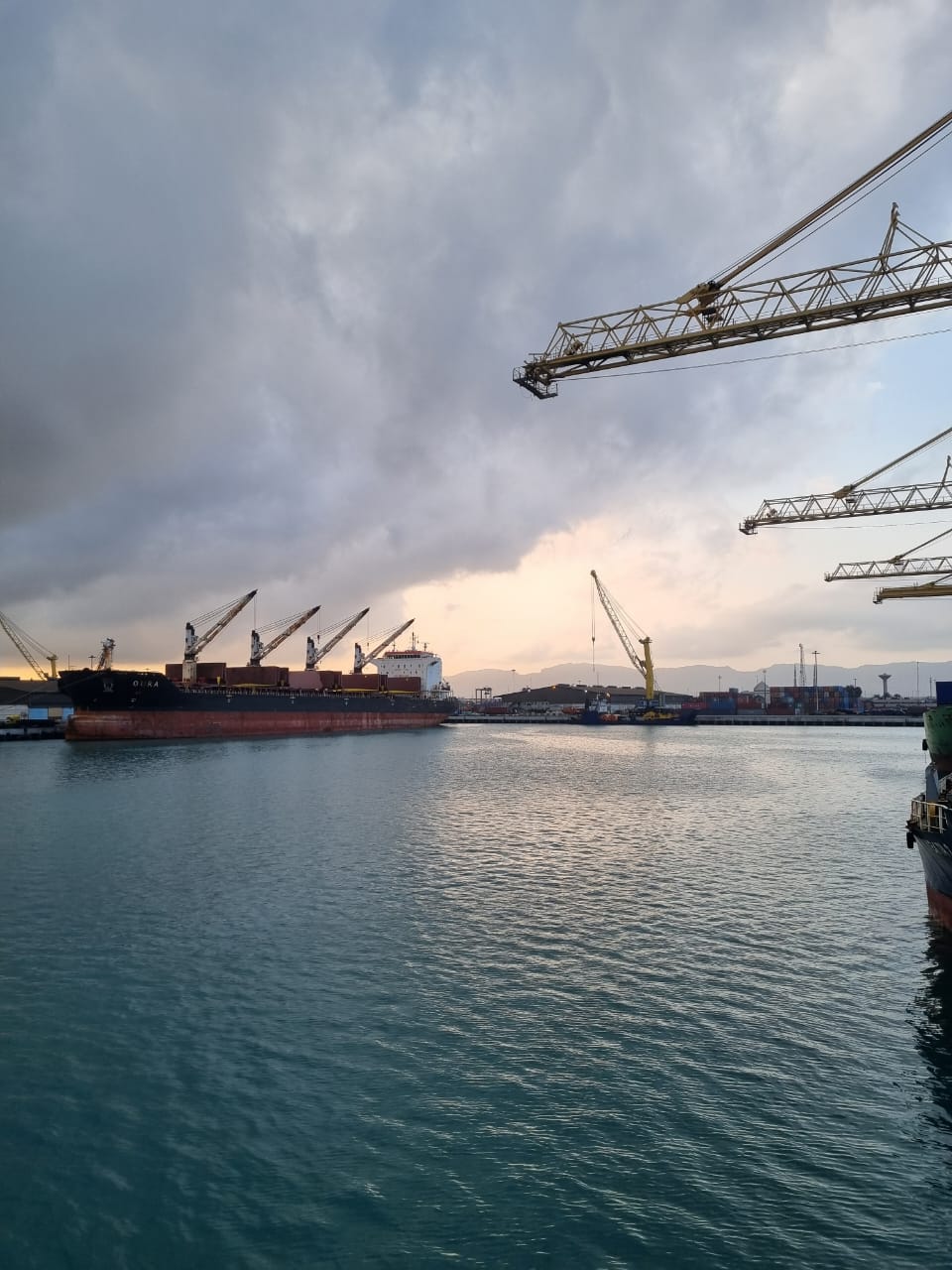
Methods of Sea Freight and How They Differ
Sea freight is carried out using different methods depending on the type of cargo. Each method involves different costs, and these differences also affect the overall cost of shipping cargo by sea. The variety of cargo transported by the shipping industry has led to the availability of different vessel types, each with its own cost structure. Container shipping, general cargo shipping, dry bulk shipping, liquid bulk shipping, and heavy or project cargo transportation each require suitable equipment, vessels and operational planning.
For this reason, different sea freight methods should not be compared solely on the basis of their initial rates. The appropriate method can only be determined by evaluating the cargo type, cargo volume, loading conditions and final destination together.
To request a sea freight quote, visit the Searino cargo transportation platform or contact Searino's specialists.
Sea freight plays an important role in the movement of goods internationally. According to Eurostat, in 2024, approximately 67% of freight transport performance in the European Union, measured in tonne-kilometers, was attributable to maritime transport, while road transport accounted for 25.7% and rail transport for 5.4%. These figures demonstrate the importance of maritime transport in cargo movement, although each method's share depends on the route and geographical scope.
Advantages of Sea Freight: When Can High Capacity Help Reduce Sea Freight Costs?
The main advantage of sea freight becomes particularly evident when transporting high-tonnage cargo. For heavy bulk shipments or large-volume containerized cargo, matching the shipment with the available vessel capacity can significantly reduce the cost of shipping by sea per ton.
The advantages of sea freight include the following:
Reducing shipping costs for heavy and high-volume cargo
High capacity for transporting different types of goods
Access to international trade markets
The ability to choose a shipping method suited to the cargo
Opportunities for multimodal transportation
The following sections explain each of these advantages.
Reducing Sea Freight Costs for Heavy and High-Volume Cargo
One of the main advantages of sea freight is the ability to distribute transportation costs across large quantities of cargo. When a shipment contains thousands of tons of steel, minerals or bulk commodities, vessel capacity can reduce the transportation cost per ton compared with many alternative options.
For example, when shipping steel, it is important to distinguish between the purchase price of the goods and the cost of transporting them. A buyer may purchase goods from a supplier at a lower price, but transportation costs to the destination may reduce the commercial advantage. Therefore, when evaluating the freight rate for shipping cargo by sea, transportation costs should be considered alongside loading, discharge, inland transportation and other related expenses.
This is even more important for bulk cargo shipments. Usable vessel capacity, cargo type, port facilities and loading conditions can directly affect sea freight costs.
However, sea freight is not always the cheapest option. For low-volume shipments, urgent cargo or routes with limited maritime access, additional charges may eliminate a significant part of this method's cost advantage.
High Capacity for Transporting Different Types of Cargo
Commercial vessels are designed to transport cargo that varies significantly in weight, volume, shape and handling requirements. From packaged goods to steel products, minerals, dry bulk commodities and project equipment, each cargo category may require a suitable shipping method and vessel type.
For cargo owners, this variety means they do not have to rely on the same transportation method for every shipment. Vessel selection should be based on the product type, tonnage, dimensions, individual cargo weights, loading method and port restrictions.
For example, different steel products have different transportation requirements. Rebar, steel plates, coils and other heavy products may require different stowage, securing and discharge arrangements. For bulk cargo, vessel selection must also be aligned with the characteristics of the goods and the available loading and discharge facilities.
Access to International Trade Markets
International sea freight makes it possible to transport goods between ports in countries around the world, making it a major component of international imports and exports. The importance of maritime cargo transportation is not limited to vessel capacity. Connecting ports through international maritime routes and enabling the planned transportation of heavy commercial cargo have made shipping by sea a primary transportation method in many important industries, including oil and gas, petrochemicals, steel, copper and others.
It is important to note that international sea freight rates cannot be determined solely by geographical distance. Vessel type, vessel capacity, route conditions, port charges and sailing schedules also affect sea freight rates.
The Ability to Choose a Shipping Method Suited to the Cargo
Another advantage of sea freight is the variety of shipping methods available for different types of cargo. For example, a company may require container shipping for one shipment, while bulk shipping or a multipurpose vessel may be more suitable for another.
For heavy cargo, vessel capacity, loading equipment, berth restrictions and discharge arrangements must be considered. For packaged goods, dimensions, weight, packaging and the feasibility of using containers or specialized equipment should also be assessed.
This flexibility is valuable when each shipment is evaluated according to its actual specifications rather than relying on a single method for every shipment. The most suitable sea freight method depends on the cargo owner's actual requirements, not simply on the method used for a previous shipment.
Opportunities for Multimodal Transportation
In many cases, sea freight is only a short part of the overall transportation route. Cargo may first be transported by truck to a port, then shipped by vessel to the destination port, and subsequently moved by rail or road to its final destination.
Under these circumstances, it is necessary to evaluate whether sea freight will actually be cost-effective. If transporting cargo from the destination port to a warehouse or factory is difficult and expensive, an alternative route may offer a better overall cost.
For companies looking to optimize sea freight costs, coordinating maritime transportation with other transportation methods can help reduce unnecessary delays and improve delivery planning.
To request a sea freight quote, visit the Searino cargo transportation platform or contact Searino's specialists.
Disadvantages of Sea Freight: Risks to Consider Before Booking
Alongside the advantages of sea freight, there are limitations that can affect both costs and delivery times. Port delays, changes to vessel schedules, additional charges and the need to coordinate multiple parties are among the issues that should be examined before finalizing a shipping contract.
The disadvantages of shipping cargo by sea include the following:
Longer transit times on many routes
Potential delays caused by port conditions and route changes
Additional charges that may not appear in the initial freight quote
Cargo sensitivity to transportation and storage conditions
Dependence on port facilities and coordination between multiple parties
The following sections explain each of these limitations.
Longer Transit Times on Many Routes
Sea freight generally takes longer than air freight. In addition to the vessel's sailing time, cargo preparation, loading operations, port difficulties, adverse weather conditions, intermediate stops along the shipping route, vessels being unable to enter a port, port congestion, discharge operations, and customs and port formalities may all extend delivery times.
For this reason, a vessel's transit time is not the same as the total transportation time. If a factory requires a shipment to maintain production or a customer has specified a delivery deadline, an adequate time buffer should be included in the overall plan.
Shipping by sea is a suitable choice when the required delivery time aligns with the business schedule. If a single day's delay could interrupt production or result in a lost sales opportunity, the cost of this risk must also be considered in the final decision.
Potential Delays Caused by Port Conditions and Route Changes
When shipping cargo by sea, weather conditions, port congestion, changes to vessel schedules, regional developments caused by war, geopolitical changes and disruptions along maritime routes can directly affect the shipping schedule.
In its 2025 Review of Maritime Transport, UNCTAD identifies vessel diversions and disruptions to trade routes as factors contributing to longer voyage distances, higher costs and greater uncertainty in international shipping. This report demonstrates that even selecting an appropriate route cannot eliminate all operational risks in the shipping industry.
Therefore, when transporting goods by sea, it is important to distinguish between the planned schedule and the actual delivery time. For time-sensitive cargo, route conditions, sailing schedules, potential stops and contractual terms should be carefully reviewed.
Additional Charges That May Not Appear in the Initial Freight Quote
One of the main disadvantages of sea freight becomes apparent when the initial freight rate is compared with the final operating cost. In addition to the basic freight charge, sea freight costs may include port charges, loading and discharge, terminal services, storage, documentation, inspections and transportation to the final destination. Depending on the cargo and the contract, other expenses may also apply.
For example, the cost of shipping bulk cargo depends on different factors from those affecting a container shipment. In container shipping, charges related to the permitted container-use period and container delays may be significant. For bulk cargo, the agreed loading and discharge time and the contractual conditions governing vessel delays are important.
Therefore, when evaluating marine freight charges, it is necessary to determine exactly which services are included in the quoted rate and which expenses remain the cargo owner's responsibility.
Cargo Sensitivity to Transportation and Storage Conditions
As mentioned earlier, sea freight is suitable for a wide range of goods, but not every shipment can be transported by sea without special precautions. Steel products, for example, may be exposed to moisture, corrosion or damage resulting from improper handling. For bulk cargo, moisture, contamination, mixing with other cargo or unsuitable storage conditions may affect product quality.
Temperature-sensitive cargo also requires appropriate equipment and suitable storage conditions. The shipping method, packaging, securing arrangements, inspections and marine cargo insurance should be selected according to the actual nature of the goods to prevent damage.
For example, when transporting fruit, a refrigerated container must be booked with the shipping line and set to a specific temperature to ensure that the cargo does not spoil and arrives at its destination in good condition. This requires precise coordination with the shipping line.
Comparing the Advantages and Disadvantages of Sea Freight at a Glance
To evaluate the advantages and disadvantages of sea freight, freight rates, loading capacity, delivery time, additional charges and cargo type must all be considered. The following table shows the conditions under which sea freight offers advantages and the limitations that should be reviewed before selecting this transportation method.
Sea Freight: Advantages, Disadvantages, and Key Considerations | ||
Sea Freight: Advantages, Disadvantages, and Key Considerations | ||
Sea Freight: Advantages, Disadvantages, and Key Considerations | ||
Evaluation criterion | Advantage of sea freight | Limitation or risk |
|---|---|---|
Shipping costs | Potential to reduce the cost per ton for large shipments | Port and additional charges may increase the final cost |
Loading capacity | Suitable for heavy, bulky, steel and bulk cargo | Requires a vessel and equipment appropriate for the cargo |
Delivery time | Suitable for shipments that do not require urgent delivery | Potential port delays, vessel schedule changes and route interruptions |
Cargo variety | Supports containerized, general, bulk and project cargo | Each cargo type requires suitable handling conditions and equipment |
Shipping routes | Access to international port networks and maritime routes | Dependence on port facilities and transportation to the final destination |
Cargo protection | Packaging and suitable equipment can help protect the shipment | Risk of damage, moisture or contamination if cargo is handled improperly |
Cost management | Ability to compare shipping offers and choose suitable capacity | The initial quote may not cover all operating costs |
Dependence on Port Facilities and Coordination Between Multiple Parties
Sea freight requires coordination among cargo owners, shipowners, port operators, service providers, customs authorities and inland transportation companies. If any of these parties or operational stages is not ready on time, loading or discharge may be delayed.
For bulk and project cargo, loading equipment capacity, berth restrictions and the ability to complete loading within the scheduled time must also be assessed before an agreement is finalized.
As a result, one of the limitations of sea freight is that successful delivery depends on more than vessel movement. Coordinating operations at both the origin and destination is also essential.
Which Types of Cargo Are Suitable for Sea Freight?
The shipping method should be selected according to the actual characteristics of the cargo. Sea freight can be used for a wide variety of shipments, but vessel types, equipment, required capacity and operating conditions differ for each cargo category.
Steel Products and Metal Cargo
Steel products such as rebar, steel plates, coils, billets and other metal products can be transported by sea, including in large tonnages. In these shipments, loading methods, stowage, securing, moisture protection and discharge equipment are important considerations in addition to the freight rate.
When shipping steel, vessel selection should be based on the product's shape, total weight and port conditions. For large shipments, comparing offers from shipowners and reviewing loading arrangements can help cargo owners make a more informed choice.
Minerals and Other Bulk Cargo
Dry bulk shipping is used for commodities such as minerals, coal, grain and other bulk products. For these shipments, cargo tonnage, bulk carrier capacity, loading and discharge rates, and port facilities are important decision-making factors.
Liquid bulk cargo requires vessels and equipment suited to the specific substance being transported. Safety conditions, tanks, transportation regulations and requirements related to the nature of the cargo should be reviewed before booking.
In both cases, the cost of sea freight depends not only on route distance but also on cargo specifications and the operational capabilities of the port.
Heavy and Project Cargo
Industrial equipment, machinery, steel structures and oversized cargo may require specialized transportation arrangements. For these projects, cargo dimensions, the weight of each piece, crane capacity, berth restrictions and securing conditions must be evaluated.
For this type of shipment, selecting a low freight rate without verifying whether the operation can be carried out properly may create significant risks. A reliable shipping offer must ensure that the equipment, vessel capacity and loading plan are aligned with the actual cargo specifications.
Containerized Goods and Low-Volume Shipments
Container shipping is suitable for many packaged goods. Choosing between a full container load and less than container load depends on shipment volume, packaging conditions, required delivery time and cargo consolidation costs.
For smaller shipments, sea freight forwarding or LCL shipping may be worth considering. However, the cost of LCL sea freight should be evaluated by including origin charges, consolidation, documentation, terminal handling and delivery at the destination. A smaller shipment does not necessarily mean a lower sea freight cost per unit of cargo.
How Are Sea Freight Costs Determined?
Sea freight costs are influenced by multiple factors. Freight charges, ocean freight rates, shipping costs and additional service fees should be evaluated according to the cargo specifications and route.
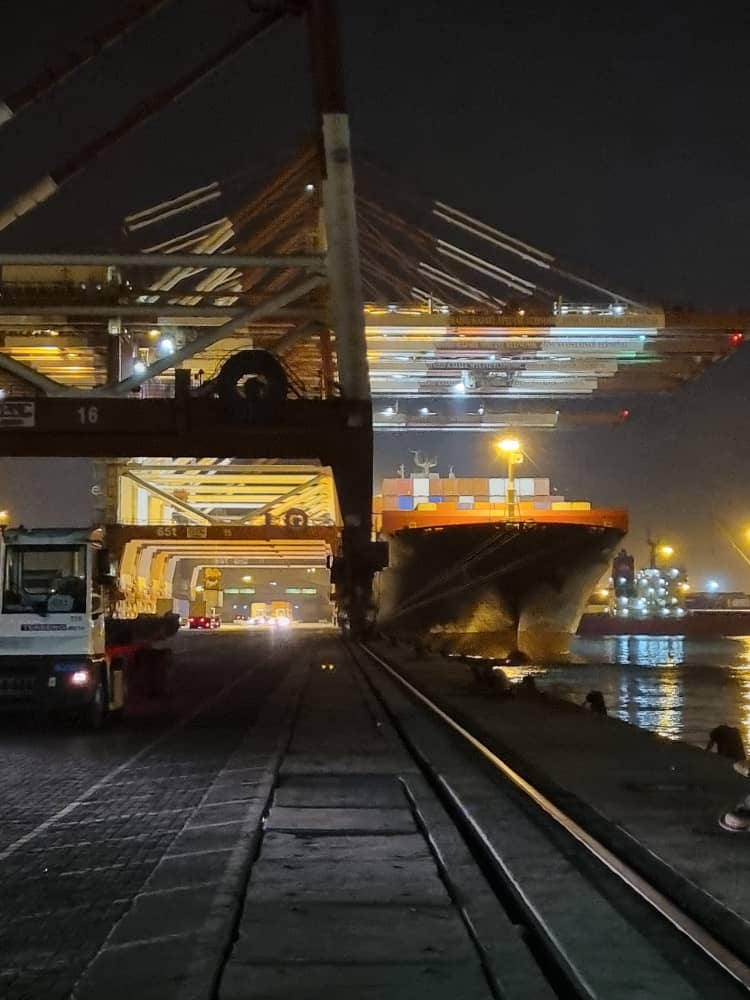
What Factors Affect Sea Freight Rates?
Cargo type, weight or tonnage, volume and dimensions, origin and destination, vessel type, available capacity, market conditions, port charges and additional services are among the factors that influence freight rates.
For example, the freight rate for a bulk shipment may be determined by tonnage, vessel type and loading conditions, while container freight rates depend on container type, route and other related charges.
For this reason, sea freight rates in Iran and international sea freight rates cannot be represented by a single fixed amount for all shipments. The cost of transporting goods by sea should be calculated based on the actual cargo information and agreed transportation conditions.
Frequently Asked Questions About the Advantages and Disadvantages of Sea Freight
The following questions provide quick answers to common user concerns about sea freight, freight rates, sea freight costs and operational risks.
What Is the Main Advantage of Sea Freight?
For many heavy and high-volume shipments, the main advantage of sea freight is its high capacity and its potential to reduce transportation costs per ton. However, the actual cost advantage depends on cargo type, route, required capacity and additional charges.
What Is the Main Disadvantage of Sea Freight?
Longer transit times on many routes and the possibility of schedule changes caused by port conditions or route disruptions are among the main limitations. Additional costs and the need for coordination at the origin and destination must also be considered.
Is Sea Freight Always Cheaper Than Air Freight?
No. Sea freight is more cost-effective for many high-volume and heavy shipments, but urgent or low-volume cargo should be evaluated by comparing total costs, delivery times and operational requirements.
What Factors Affect Ocean Freight Rates?
Cargo type and tonnage, origin and destination, vessel type, available capacity, loading and discharge conditions, port charges, transit time and market conditions all influence sea freight rates.
Is Sea Freight Suitable for Bulk Cargo?
Yes. Dry bulk and liquid bulk are important sea freight methods. Vessel selection should be based on cargo type, tonnage, cargo specifications and available port facilities.
What Information Is Required to Request a Sea Freight Quote?
Origin, destination, cargo type, weight or tonnage, dimensions, packaging, cargo readiness date and required services are among the most important details needed to obtain a shipping offer.
Can Sea Freight Rates Be Requested Online?
Yes. On the Searino digital maritime logistics platform, cargo owners can submit their shipment specifications and receive relevant offers for review. The final rate depends on the actual cargo requirements and shipping route.
Why Is Marine Cargo Insurance Important?
Marine cargo insurance can cover part of the financial risks associated with cargo damage, subject to the policy terms and exclusions. The appropriate coverage should be selected according to cargo value, cargo characteristics and route conditions.
Conclusion: Choosing the Right Sea Freight Solution by Evaluating Total Costs and Shipping Conditions
The advantages and disadvantages of sea freight can be properly evaluated only when vessel capacity, cargo type, total costs, delivery time and operational risks are considered together.
For high-volume shipments, steel products, minerals and many bulk commodities, sea freight can be an economical and practical option and can significantly reduce sea freight costs. In contrast, urgent shipments, routes with restrictions and cargo requiring specialized storage conditions need more careful evaluation.
Ultimately, finding a low freight rate is not enough. Cargo owners must understand which services each offer covers, what additional charges may apply, and whether the vessel and shipping schedule match their actual requirements.
Searino provides a digital platform for direct connections with shipowners, enabling cargo owners to receive and compare shipping offers in a centralized process. By submitting your cargo specifications, you can review available options based on cargo type, route and your specific requirements, helping you make a more informed shipping decision.
Frequently asked questions
ظرفیت بالای کشتیها و امکان جابهجایی حجم زیادی از کالا در یک سفر، از مهمترین مزایای حمل دریایی است. این ویژگی بهخصوص برای محمولههای سنگین، مواد معدنی، محصولات فولادی و کالاهای فله میتواند هزینه جابهجایی هر تن کالا را کاهش دهد.
زمان بیشتر حمل در بسیاری از مسیرها، احتمال تاخیر بندری و وابستگی به برنامه حرکت کشتی از محدودیتهای اصلی این روش هستند. همچنین هزینههای جانبی و نیاز به هماهنگی میان عوامل مختلف حمل باید پیش از رزرو بررسی شوند.
خیر. حمل دریایی برای بسیاری از محمولههای سنگین و حجیم، بهویژه در مسیرهای طولانی، از نظر هزینه گزینه مناسبی است؛ اما برای کالاهای فوری یا محمولههای کمحجم ممکن است حمل هوایی انتخاب منطقیتری باشد. تصمیم نهایی باید با توجه به هزینه کل و زمان تحویل گرفته شود.
بله. حمل فله خشک و مایع از روشهای اصلی حمل دریایی هستند. موادی مانند غلات، مواد معدنی، زغالسنگ و برخی فرآوردههای مایع با استفاده از کشتیهای تخصصی حمل میشوند. انتخاب شناور به نوع کالا، تناژ و امکانات بندری بستگی دارد.
بیمه حمل دریایی میتواند مطابق شرایط بیمهنامه، بخشی از خسارتهای مالی احتمالی واردشده به محموله را پوشش دهد. انتخاب نوع پوشش باید با توجه به ارزش کالا، ماهیت محموله، مسیر حمل و میزان ریسک انجام شود.


